Retailer Activation: Why Strong Campaigns Often Fail Due to Local Implementation Issues
National campaigns are just the beginning
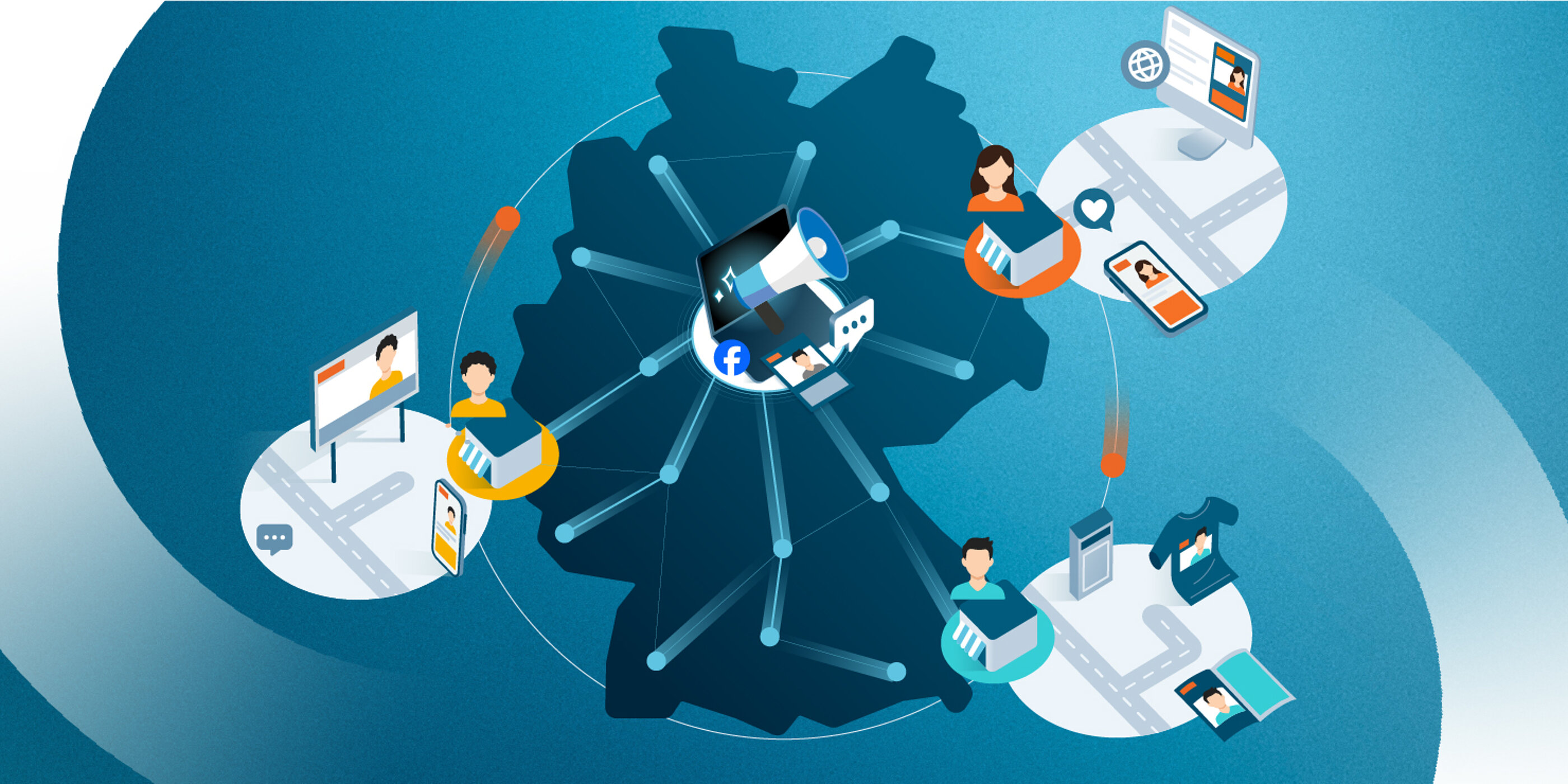
Millions are spent every year on national marketing campaigns. Yet their potential often goes untapped. The reason rarely lies in creativity or the media budget, but rather in the failure to engage sales partners.
It is only when retailers, franchise partners, or stores extend a campaign locally that the reach is created that actually leads customers to make a purchase. National brand communication and local marketing are therefore not opposites, but two sides of the same strategy.
This is precisely where retailer engagement determines the success of a campaign.
Why Retailer Activation Often Fails
Many sales partners only begin to focus intensively on marketing when order volumes decline. During periods of economic strength, there is often neither the time nor the need to implement local campaigns. When sales drop, however, this is frequently followed by frantic, reactive measures—involving short-term, isolated initiatives and unrealistic expectations regarding the impact of advertising.
This creates a recurring problem for brands: campaigns are developed at great expense but reach only a portion of the sales network locally. The real challenge, therefore, is not to provide marketing measures, but to get partners to use them consistently over the long term.
Dealer activation is a strategic success factor today
Local marketing is increasingly evolving from a “nice-to-have” into a strategic lever. Companies benefit in several ways: Local campaigns often achieve better click-through and engagement rates than purely centralized initiatives, customers find the right retailer more quickly, and sales partners identify more strongly with the brand. At the same time, the centralized marketing budget can be used much more efficiently through local initiatives.
Experience from numerous local marketing projects shows that successful retailer activation does not result from individual incentives, but rather from the interplay of communication, technology, and personalized support.
What factors increase the participation rate?
Sustainable retailer activation is based on five key success factors that are interlinked.
1. Demonstrate effectiveness
Retailers invest where they see concrete benefits. That’s why brands should offer campaigns whose impact can be tracked—for example , through local search engine advertising, social media,point-of-sale initiatives, or direct marketing. Managing expectations realistically is equally important. Live dashboards, regular performance updates, and clearly explained KPIs create transparency and encourage repeat participation. Benchmarking or gamified competitions can provide additional incentives.
2. Build trust
Trust is one of the most important drivers of engagement. Personal points of contact, close collaboration between marketing and sales, and clearly presented campaigns make getting started much easier. In addition, advertising consulting, success stories from other retailers, or AI-powered advice can help alleviate uncertainties and increase acceptance of new marketing measures.
3. Radically Simplify Processes
The easier it is to participate, the higher the activation rate. Pre-built merchant profiles, pre-configured logos and social media accounts, standardized campaign packages, and subscription-based marketing services reduce the organizational effort to a minimum. Modern platforms also provide support through AI-powered campaign planning and automated processes. This makes local marketing accessible even to partners without their own marketing department.
4. Use Financial Incentives Strategically
In addition to ease of use, financial incentive models remain an effective tool for activation. Co-funding programs, in particular, significantly increase willingness to participate. Even subsidies starting at around 50 percent can significantly boost booking rates while simultaneously expanding a campaign’s overall budget through retailers’ own contributions. This benefits both the brand and its sales partners.
5. Turn Campaigns into Routines
The most successful brands do not view retailer activation as a one-time event. Recurring seasonal campaigns, automated processes, and ongoing marketing programs ensure that local advertising becomes a habit. Instead of recruiting new participants each time, a permanently active sales network is built step by step.
Best practices show what successful brands do differently
Real-world examples from various affiliate programs illustrate that sustainable merchant activation begins well before the actual campaign launch. Early communication, webinars, personalized onboarding, ongoing support, and transparent information about campaigns and budgets measurably increase participation. Successful rollouts rely on a clearly structured activation process rather than one-time communication efforts.
Conclusion: Retailer engagement determines the effectiveness of local campaigns
The biggest challenge facing modern brands today is no longer developing compelling campaigns. What matters most is how many sales partners actually implement them on the ground.
Companies that make campaign effectiveness transparent, build trust, streamline processes, use financial incentives wisely, and provide ongoing support to retailers do more than just increase participation rates. They create a high-performing local marketing ecosystem in which national campaigns have an impact all the way down to the individual store level—and turn a good campaign into lasting market success.
Next:Local Branding Day on September 29 at the Kameha Grand in Bonn.